
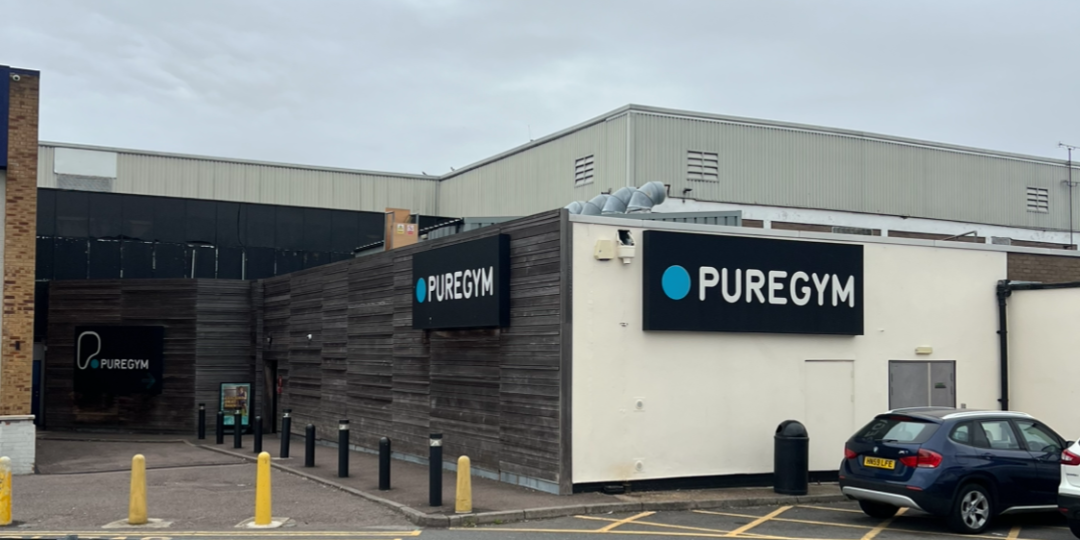
Internal Pillar Investigation at a Commercial Gym Facility
Introduction
Wilson Architectural Engineering was commissioned to carry out a . This case study outlines how the investigation identified the true cause of the apparent defect and provided a practical, non-disruptive remedial solution for the client.
Objective
The project aimed to determine whether the defective pillar posed a structural risk to the building and to establish the cause of the observed movement and deterioration. The client required reassurance regarding the safety of the premises and clear guidance on any necessary remedial works to ensure continued safe operation of the gym.
Approach
-
Targeted Structural Inspection:
A detailed visual inspection was undertaken focusing on the affected pillar and surrounding floor and ceiling elements to assess signs of movement, distress, or structural failure. -
Exploratory Investigation:
A section of the pillar casing was carefully opened to allow inspection of its internal construction and to identify any concealed defects or contributing factors. -
Service Integration Assessment:
The internal makeup of the pillar was examined to establish whether it was load-bearing or acting as a service enclosure for internal pipework.
Challenges and Solutions
-
Apparent Structural Movement:
The pillar showed visible distortion and deterioration at its base, raising concerns of settlement or subsidence.
Solution: Investigation confirmed the pillar was non-structural and formed from a timber-framed casing enclosing internal services rather than supporting building loads. -
Hidden Water Damage:
A concealed 25mm waste pipe within the pillar had been leaking over time, saturating the internal plasterboard lining and acoustic insulation.
Solution: The leak was repaired by a qualified plumber, and the damaged internal materials were identified for removal and replacement. -
Maintaining Building Performance Standards:
The pillar also served as an acoustic and fire-resisting enclosure within the gym environment.
Solution: Remedial works were specified to reinstate the pillar using like-for-like materials, ensuring continued compliance with acoustic and fire performance requirements.
Outcome
The inspection confirmed that the pillar was not load-bearing and that the deterioration was caused by prolonged water ingress rather than structural failure. No signs of structural compromise were found in the surrounding floor or ceiling structure. Once the plumbing defect was rectified, the pillar could be safely stripped out and rebuilt using matching plasterboard and acoustic insulation. The client was reassured that the building remained structurally sound and that disruption to gym operations could be kept to a minimum.
Conclusion
This project demonstrates Wilson Architectural Engineering’s ability to rapidly diagnose complex-looking defects and distinguish between true structural issues and service-related damage. Through careful inspection and targeted investigation, a potentially alarming defect was traced to a concealed plumbing failure rather than structural movement. By providing a clear remedial strategy focused on reinstatement rather than unnecessary structural intervention, the client was able to restore the affected area efficiently while maintaining safety, regulatory performance, and business continuity.